III, Suit of CupsThree of Cups tarot card meaning
Upright and reversedThree of Cups in shortIn short
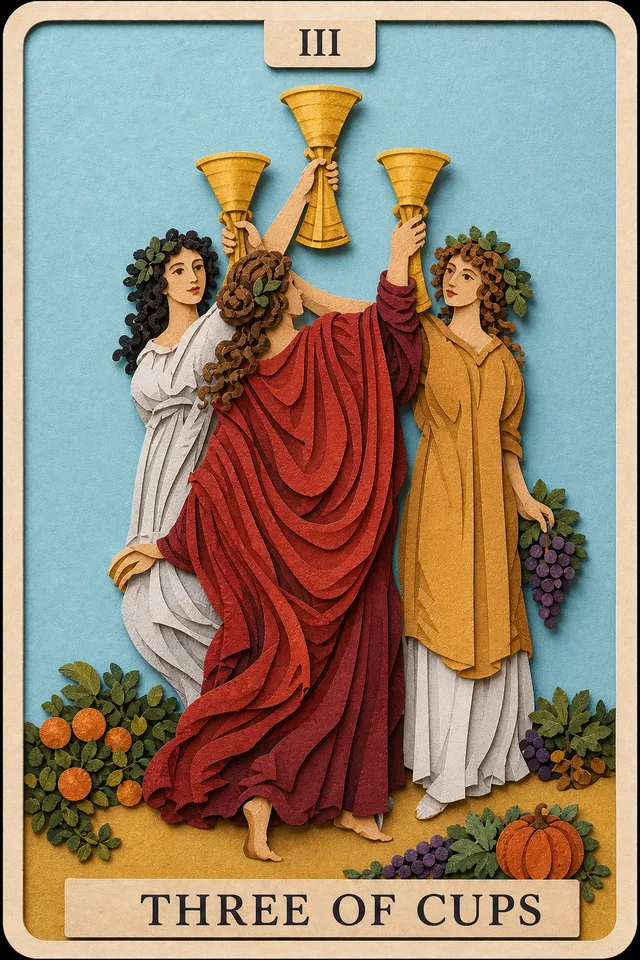
The Three of Cups is friends celebrating. Three young women dance in a garden and raise their gold cups high, with fruit and grapes around them. A happy ending, shared joy, and the people who stand by you.
- Friendship
- Celebration
- Community

Piece oneThe orange tree
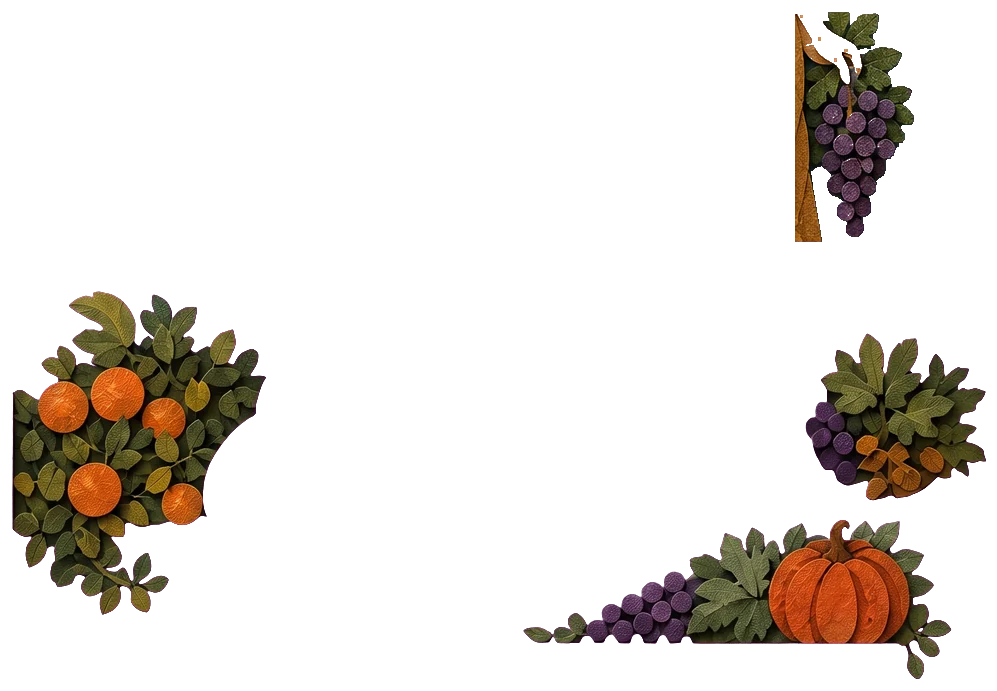
At their feet grows a small tree heavy with ripe oranges. The garden is full, and the season has borne fruit. Waite speaks of plenty, and the picture shows it.
"The conclusion of any matter in plenty, perfection and merriment"Waite, 1911
Why it is hereThe tree shows the season. Its oranges are ripe, so whatever the women planted together has come in. It sits low at the left, and the pumpkin and grapes answer it on the right, framing the three dancers with food. The celebration stands on a real harvest.
Piece twoThe three women
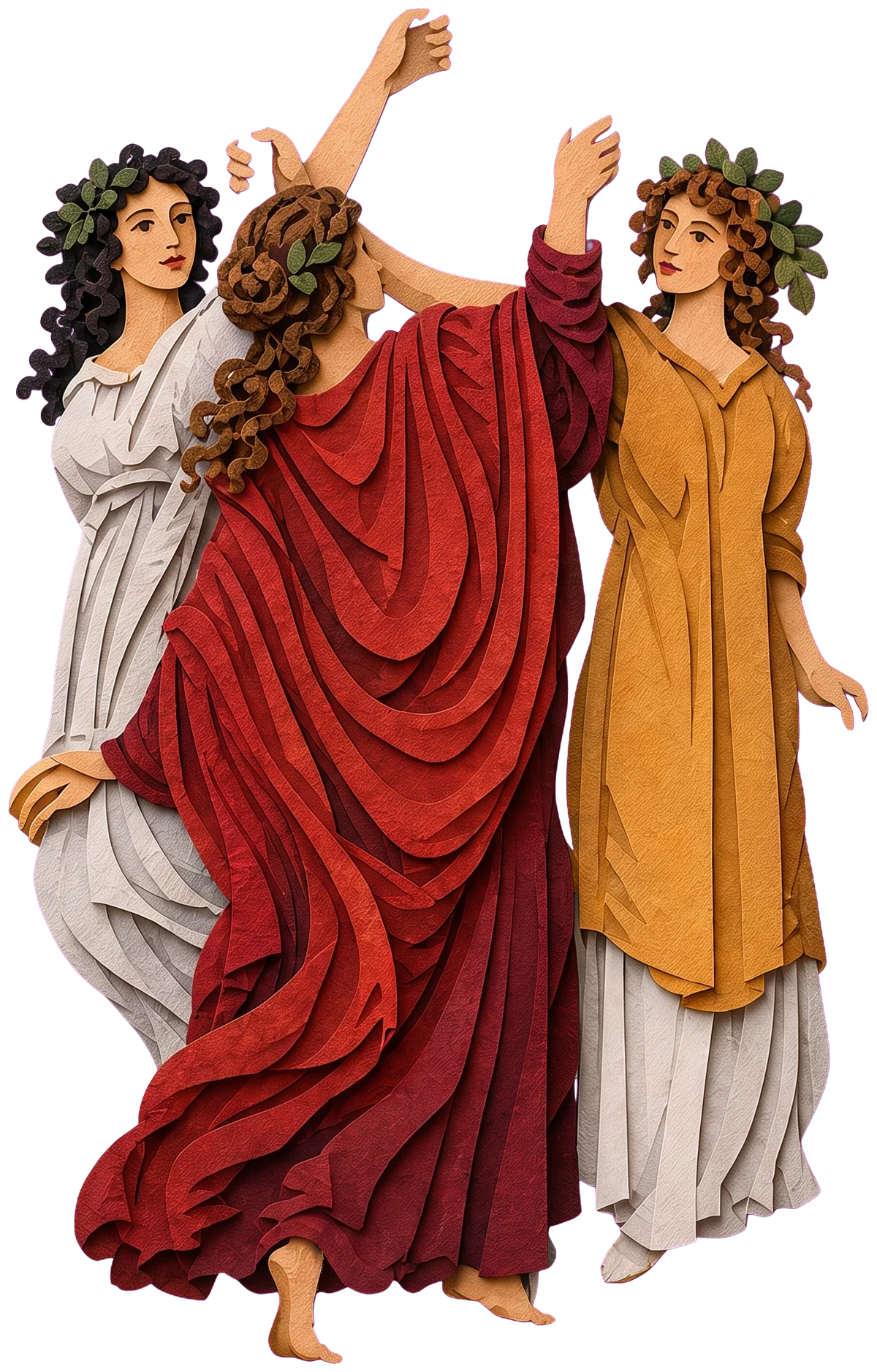
Three women stand close and turn to each other. The one in red has her back to us, so you join the circle from behind her. The other two wear crowns of green leaves.
"happy issue, victory, fulfilment, solace, healing"Waite, 1911
Why it is hereThree is the first number that makes a group. Two people pledge to each other; three make a circle that can welcome a fourth. The woman in red turns her back to us, so you stand where a newcomer would. The raised cups and the harvest at their feet are both things they share.
Piece threeThe raised cups
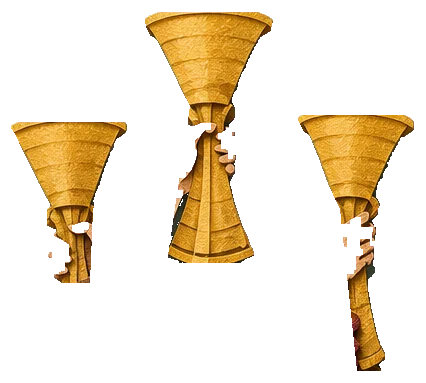
Three gold cups meet high in the air, held up by three hands. Waite says the women pledge one another, as in a toast. Nobody drinks alone here.
"Maidens in a garden-ground with cups uplifted, as if pledging one another."Waite, 1911
Why it is hereThe raised cups are the top of the card, where the three hands meet. Lifting a cup turns a drink into a toast, so the moment belongs to all of them. Below, the orange tree and the harvest give the reason. Up here is the thanks for it.
Piece fourThe harvest
On the ground lie a pumpkin, purple grapes and vine leaves. One woman holds more grapes in her hand. Waite adds a warning: the same card can mean too much of the pleasures of the senses.
"...the side of excess in physical enjoyment, and the pleasures of the senses."Waite, 1911
Why it is hereThe harvest gives the party its reason, and its risk. Pumpkin, grapes and leaves say the year was good. Grapes also mean wine, and Waite's warning about excess lives in them. One woman holds a bunch in her hand, as if the feast could tip into too much. The raised cups are full of what grows here.
Colour, and where else it appearsEchoes
-
The orange tree
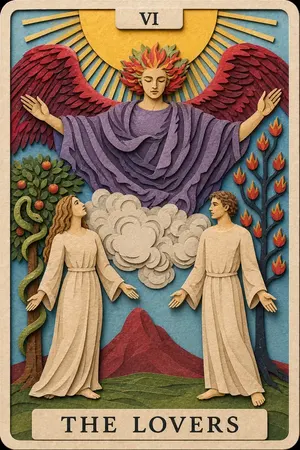
Ripe orange on dark green, the colour of harvest and of work finished well. Orange sits between the red cloak and the gold cups and ties them together. The Lovers has a fruit tree too, standing behind the woman with a snake wound round its trunk. There the fruit is a test. Here it's ready to pick.
Also in -
The three women
Deep red, mustard and white. Each woman wears her own colour, and the three belong together. The dance comes back at the end of the Cups. In the Ten of Cups two children hold hands and dance on the grass beside their parents. The World closes the major cards with a single dancer turning inside a wreath, on her own.
Also in -
The raised cups
Bright gold on clear sky blue. The cups shine brightest, held up where everyone can see. The Two of Cups has the same gold, but there two cups meet at chest height, quietly, between two people. In the Ten of Cups nobody holds a cup: they ride the rainbow overhead, and the parents lift empty hands toward them.
Also in -
The harvest
Pumpkin orange and grape purple, the colours of autumn and wine. Grapes come back on the Pentacles cards. In the Nine of Pentacles they hang heavy on the vines around a woman alone in her garden. The King of Pentacles wears them woven all over his robe. Those grapes mean wealth that lasts. These get shared tonight.
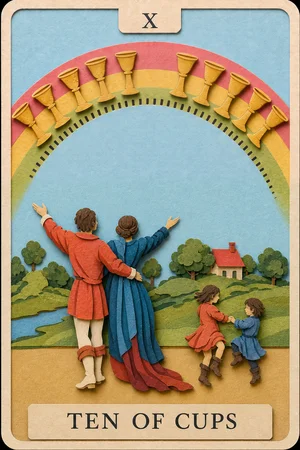
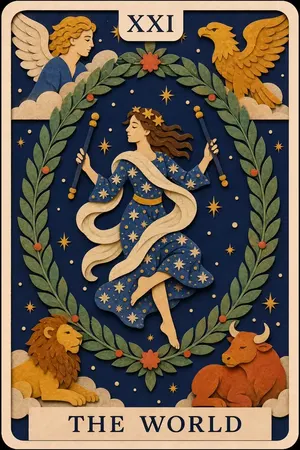
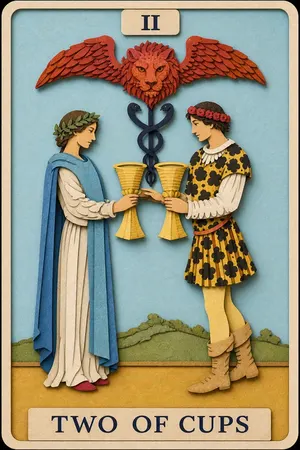
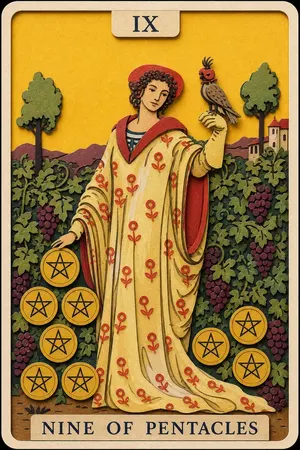
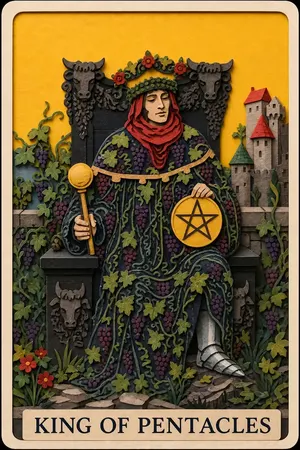
Colour notes are ours, read from the picture; Waite does not explain the colours.
Three of CupsUpright
Celebration and friendship. Waite's words are among the happiest in his book: the conclusion of any matter in plenty, perfection and merriment, happy issue, victory, fulfilment, solace, healing.
A party, a wedding, a reunion, or good friends who help. Something ended well. Share the joy with the people who walked with you.
Three of CupsReversed
Waite's words: expedition, dispatch, achievement, end. Things wrap up fast. He adds the side of excess in physical pleasure.
A party that goes too far, gossip in the group, or a friendship gone cool. Enjoy yourself and keep your balance.
Yes or noYes.
Yes. A happy outcome in good company. Waite calls it the end of a matter in plenty and merriment.
Three of Cups in your lifeIn your life
Love
Shared joy: a wedding, an engagement, or a good time with friends that brings two people closer.
Work
Teamwork that pays off. A launch or a win to celebrate together.
Money
A good result after shared work. Enjoy it, and watch the spending on parties and treats.
Health
Waite lists solace and healing. A card can't diagnose you; if something's wrong, see a doctor, and lean on friends.
Spirituality
A circle that lifts you. Practise with others.
Advice
Call your friends. Mark the good moment together.
As a person
Sociable, warm, generous. The friend who gathers everyone.
Past, present, future
Past: a happy time with friends. Present: a reason to celebrate. Future: a good ending and a gathering.
Written by us, from Waite's meanings and the picture.
Symbols and correspondencesAt a glance
- Suit
- Cups
- Element
- Water
- Astrology
- Mercury in Cancer
- Sephira
- Binah
- Upright
- Conclusion
- Reversed
- Expedition
QuestionsCommon questions
Yes. Celebration, friendship and a happy ending. Its one warning: too much of a good thing.
Celebration and support: an engagement, a wedding, or a couple your friends cheer for. Sometimes it points to a friendship instead of a romance.
Yes. It ends happily.
Waite says the maidens lift their cups as if pledging one another. A toast: a shared promise and shared joy.
Yes. It stands for friends, family gatherings and community. It points to the people around you more than to one person.
Waite calls it the end of a matter in plenty, perfection and merriment. He warns that it can lean toward excess in the pleasures of the senses.
The Pictorial Key to the Tarot, 1911Card meanings and quotes: A. E. Waite, The Pictorial Key to the Tarot, 1911. Element, decan and sephira: the Golden Dawn's Book T. Colours, life situations, yes or no and questions: written by us, from Waite's meanings and the picture.
All 14 Cups